Innovative Leadership Strategies for City Planners
- Heather Davis
- Jun 1
- 4 min read
City planners play a crucial role in shaping the urban environments where we live, work, and play. As cities continue to grow and evolve, the need for innovative leadership strategies becomes increasingly important. This blog post explores effective approaches that city planners can adopt to enhance their leadership capabilities, foster collaboration, and drive sustainable urban development.

Understanding the Role of a City Planner
City planners are responsible for developing land use plans and programs that help create communities, accommodate population growth, and revitalize physical facilities. Their work involves a variety of tasks, including:
Researching community needs and preferences
Analyzing data related to demographics, land use, and environmental impact
Collaborating with stakeholders, including government officials, community members, and developers
Creating comprehensive plans that guide future development
Given the complexity of urban environments, effective leadership is essential for city planners to navigate challenges and implement successful strategies.
Embracing Collaborative Leadership
One of the most effective strategies for city planners is to embrace collaborative leadership. This approach involves engaging various stakeholders in the planning process, ensuring that diverse perspectives are considered. Here are some key elements of collaborative leadership:
Building Trust and Relationships
Establishing trust is fundamental to successful collaboration. City planners should focus on:
Active Listening: Encourage open dialogue and genuinely listen to community concerns.
Transparency: Share information about planning processes and decisions to foster trust.
Respect: Acknowledge the expertise and insights of all stakeholders.
Facilitating Inclusive Participation
Inclusive participation ensures that all voices are heard, especially those from marginalized communities. City planners can implement strategies such as:
Public Workshops: Organize interactive sessions where community members can share their ideas and feedback.
Surveys and Polls: Use digital tools to gather input from a broader audience.
Advisory Committees: Form committees that represent diverse community interests to guide planning efforts.
Leveraging Technology for Collaboration
Technology can enhance collaboration among city planners and stakeholders. Tools such as Geographic Information Systems (GIS) and online platforms can facilitate:
Data Sharing: Provide access to relevant data for informed decision-making.
Visualization: Create visual representations of planning proposals to help stakeholders understand potential impacts.
Feedback Mechanisms: Enable real-time feedback on planning initiatives.
Fostering Innovation in Urban Planning
Innovation is key to addressing the challenges faced by modern cities. City planners should cultivate a culture of innovation by:
Encouraging Creative Problem-Solving
City planners can foster creativity by:
Brainstorming Sessions: Organize workshops that encourage out-of-the-box thinking.
Cross-Disciplinary Collaboration: Partner with professionals from various fields, such as architects, environmental scientists, and social workers, to generate innovative solutions.
Implementing Pilot Projects
Testing new ideas through pilot projects allows city planners to evaluate their effectiveness before full-scale implementation. For example:
Temporary Urbanism: Create pop-up parks or temporary bike lanes to assess community response and gather data for permanent changes.
Smart City Initiatives: Implement technology-driven solutions, such as smart traffic lights or waste management systems, on a small scale to measure impact.
Learning from Other Cities
City planners can gain valuable insights by studying successful initiatives in other cities. This can involve:
Site Visits: Organize trips to cities known for innovative urban planning practices.
Networking: Attend conferences and workshops to connect with other planners and share best practices.
Prioritizing Sustainability in Urban Development
Sustainability is a critical consideration for city planners. Implementing sustainable practices not only benefits the environment but also enhances the quality of life for residents. Key strategies include:
Integrating Green Infrastructure
Green infrastructure refers to natural systems that provide environmental benefits. City planners can promote green infrastructure by:
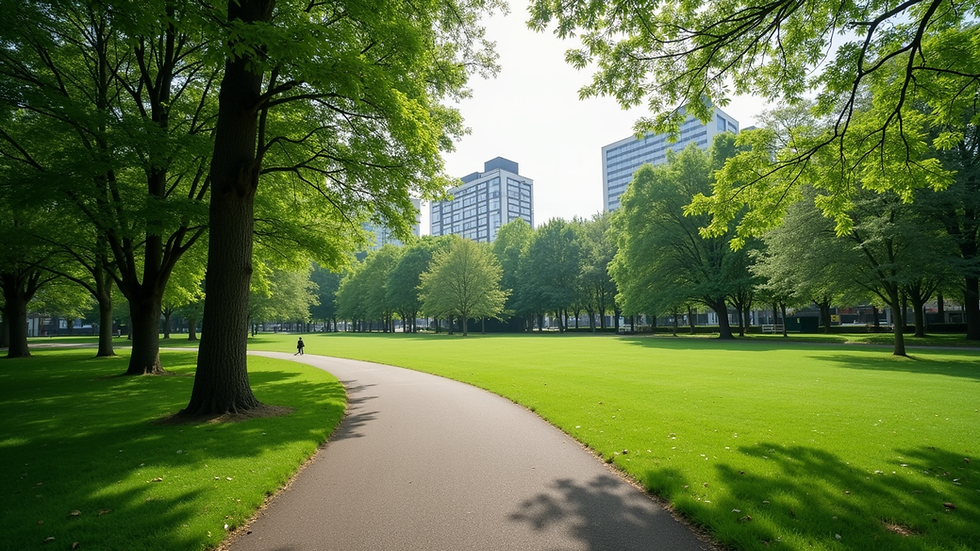
Creating Green Spaces: Design parks, green roofs, and community gardens to enhance urban biodiversity and improve air quality.
Implementing Sustainable Drainage Systems: Use permeable materials and rain gardens to manage stormwater effectively.
Promoting Mixed-Use Development
Mixed-use development combines residential, commercial, and recreational spaces, reducing the need for long commutes and promoting walkability. City planners should:
Encourage Zoning Changes: Advocate for zoning regulations that support mixed-use developments.
Support Local Businesses: Foster partnerships with local businesses to create vibrant, community-oriented spaces.
Engaging in Climate Resilience Planning
As climate change poses significant risks to urban areas, city planners must prioritize resilience. Strategies include:
Conducting Vulnerability Assessments: Identify areas at risk of flooding, heatwaves, or other climate-related challenges.
Developing Adaptation Plans: Create strategies to mitigate risks and enhance community resilience.
Enhancing Communication Skills
Effective communication is essential for city planners to convey their vision and engage stakeholders. Key communication strategies include:
Crafting Clear Messages
City planners should focus on delivering clear and concise messages. This can involve:
Using Plain Language: Avoid jargon and technical terms that may confuse the audience.
Visual Aids: Incorporate maps, charts, and infographics to enhance understanding.
Utilizing Multiple Channels
To reach diverse audiences, city planners should use various communication channels, such as:
Social Media: Share updates and engage with the community through platforms like Facebook and Twitter.
Newsletters: Provide regular updates on planning initiatives through email newsletters.
Training in Public Speaking
Public speaking skills are vital for city planners when presenting proposals or engaging with the community. Planners can improve their skills by:
Participating in Workshops: Attend public speaking workshops to build confidence and effectiveness.
Practicing Presentations: Rehearse presentations in front of peers to receive constructive feedback.
Conclusion
Innovative leadership strategies are essential for city planners to navigate the complexities of urban development. By embracing collaborative leadership, fostering innovation, prioritizing sustainability, and enhancing communication skills, city planners can create vibrant, resilient communities. As cities continue to evolve, the role of city planners will be pivotal in shaping a sustainable future.
City planners should take these strategies to heart and actively implement them in their work. The future of urban planning depends on their ability to lead effectively and engage with the communities they serve.


Comments